The In Between

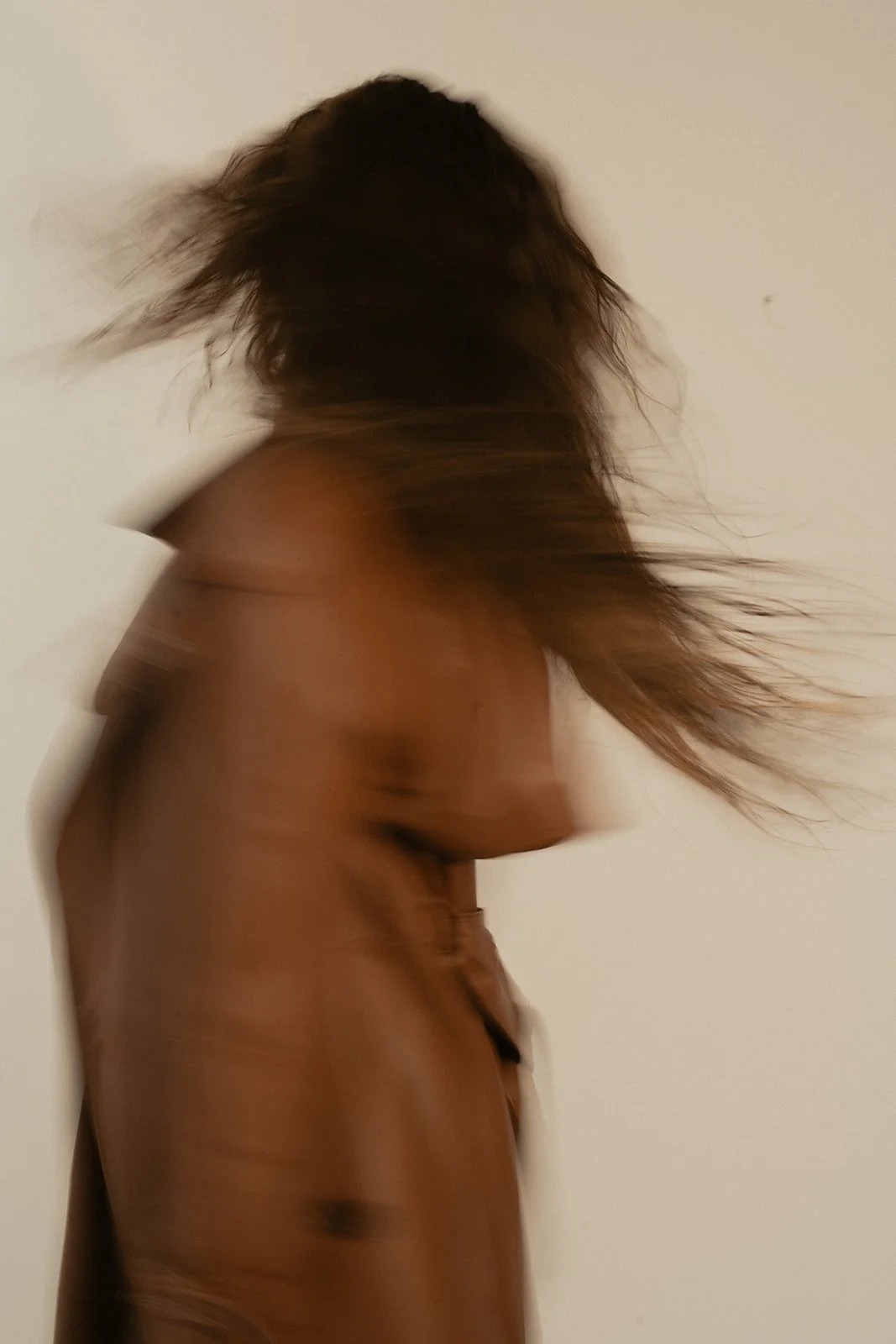
There is a moment in many lives when something familiar begins to loosen.
Nothing has fallen apart. From the outside, life may look intact, functional, even successful. And yet, internally, there is a quiet sense that what once fit no longer does. Not dramatically. Not urgently. Just enough to be noticed.
This moment often arrives without language. There is no clear problem to solve, no obvious decision to make. Only a feeling, subtle but persistent, that something is ending, even if what comes next has not yet taken shape.
Many people experience this as disorientation. They wonder what is wrong or why clarity feels harder to reach than it used to. They may try to push forward, make quick decisions, and restore a sense of certainty. But this impulse to rush is not a failure of discernment. It is a very human response to being in unfamiliar terrain.
The human nervous system is wired to prefer stability.
When familiar reference points begin to dissolve, it naturally seeks resolution. Timelines are drawn. Options are rehearsed. Plans are made in advance of understanding. But clarity that arrives under pressure rarely carries depth. It may restore momentum, but it often bypasses truth.
There is a difference between being lost and being unformed.
Being lost implies a mistake, an error in direction that must be corrected. Being unformed, however, is a natural phase of transition. It is the space between one shape of life and another, a threshold, old rather than a dead end.
In this space, it can feel tempting to reinvent, to declare a new identity, to adopt a different role, to move quickly toward something that looks like an answer. But reinvention often skips an essential step, listening. The quieter work of understanding what is actually shifting beneath the surface.
Not every season of uncertainty is asking for action. Some are asking for attention.
The in between is not an interruption to life’s movement. It is part of the movement itself. Across time and cultures, transitions have always included periods of pause, times when the old has loosened, but the new has not yet arrived. These periods were not rushed. They were respected as necessary.
Modern life leaves little room for this kind of waiting. Uncertainty is treated as something to resolve as quickly as possible. And yet, when we move too fast through the in between, we often miss the information it carries. We choose before we have fully understood what is asking to be chosen.
This is not a call to withdraw indefinitely or to avoid responsibility.
It is an invitation to recognize that some forms of clarity can only emerge when there is enough space for them to do so.
Clarity is not always the product of effort.
Often, it is the result of relationship, of being with a question long enough for it to reveal its deeper contours. It grows through honest reflection, attentive listening, and the willingness to stay present without forcing resolution.